Article
Hallmarks of Aging Revisited: What Changed Since 2013
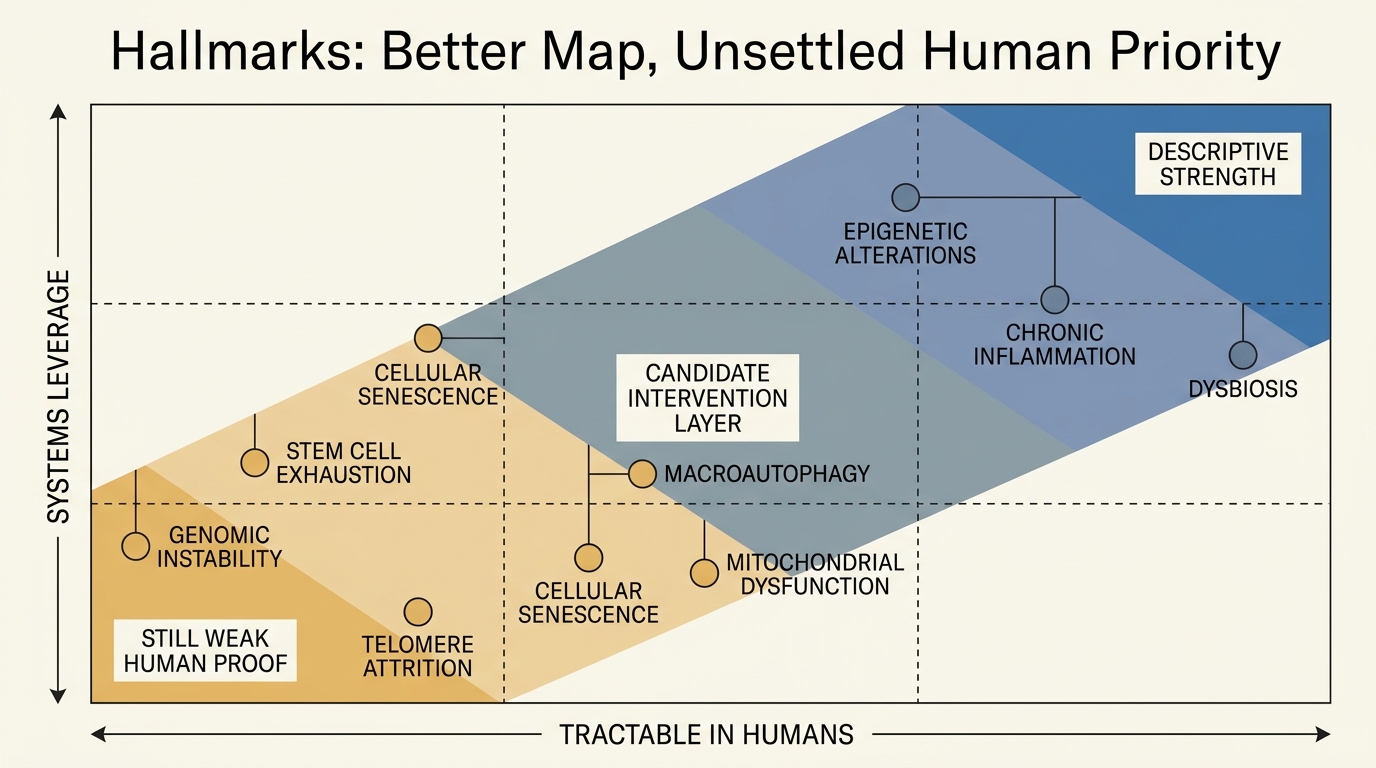
A disciplined read of what the 2013 hallmarks paper established, what the 2023 expansion clarified, and why the framework still does not rank human leverage points cleanly.
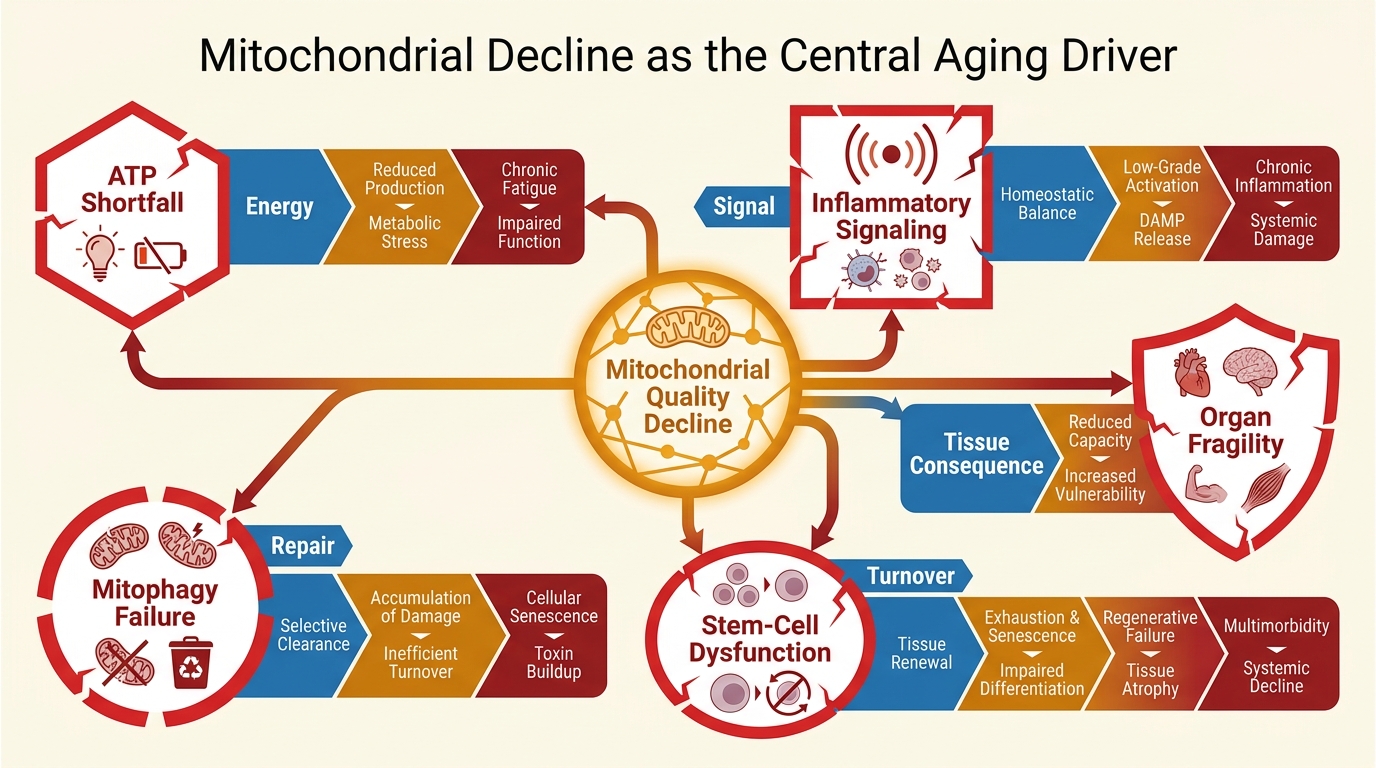
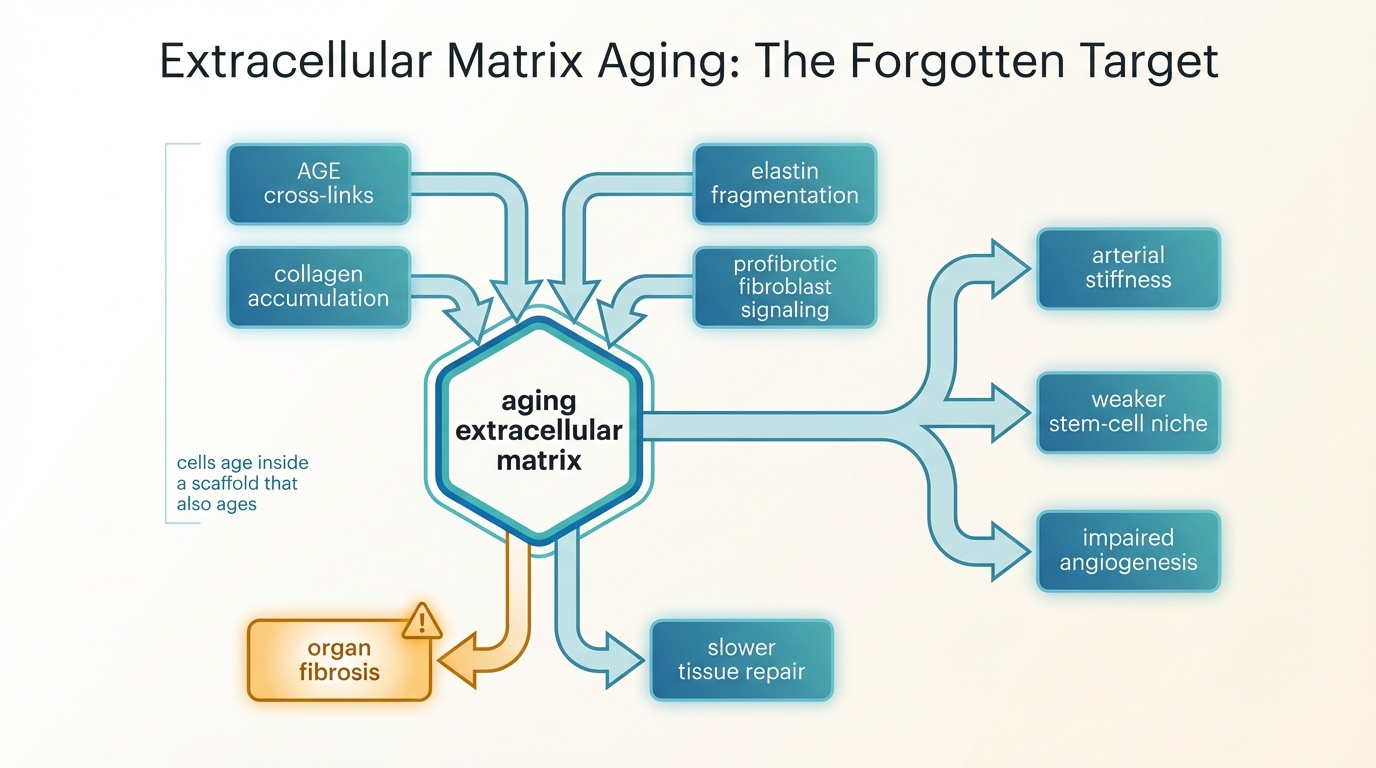
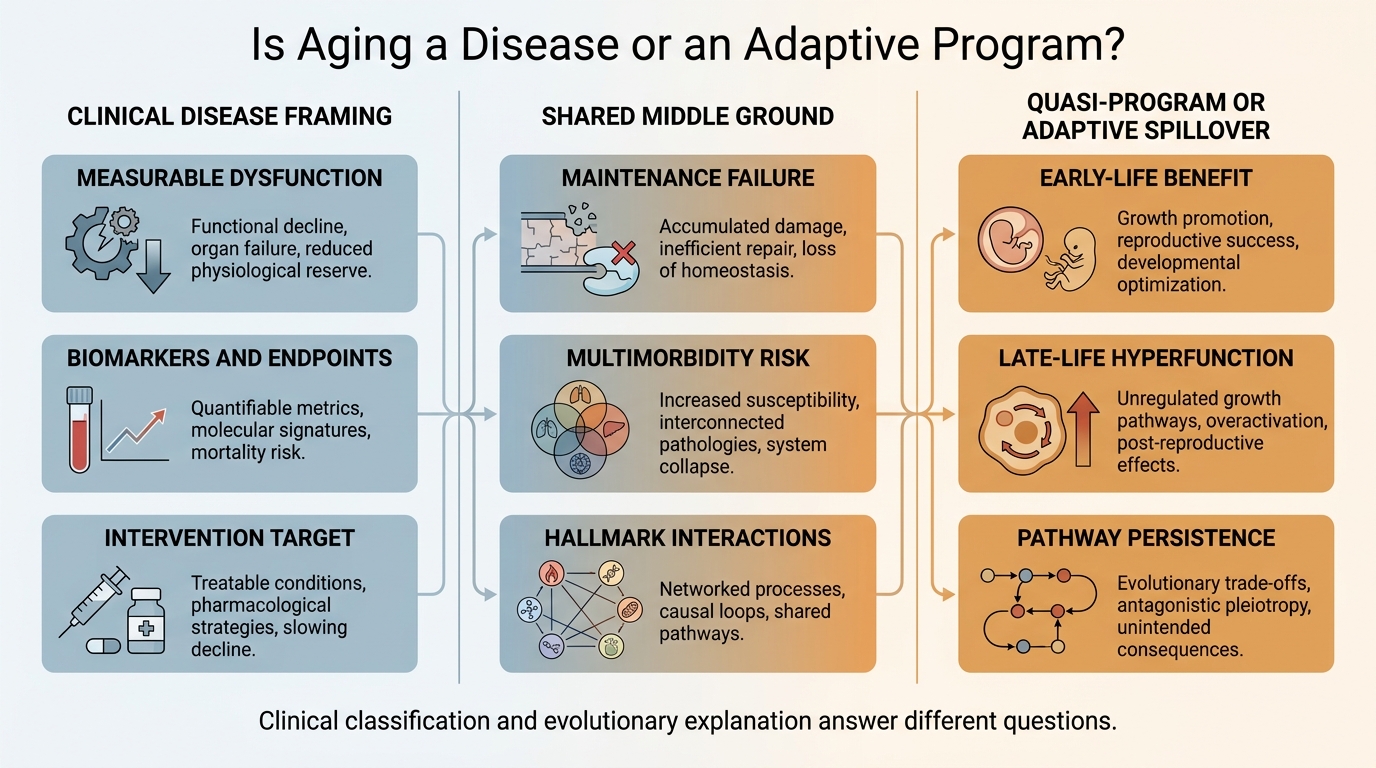
Aging is not one failure mode. It is a layered maintenance problem that expresses through genomic instability, proteostatic stress, mitochondrial decline, cellular senescence, matrix damage, and loss of repair capacity.
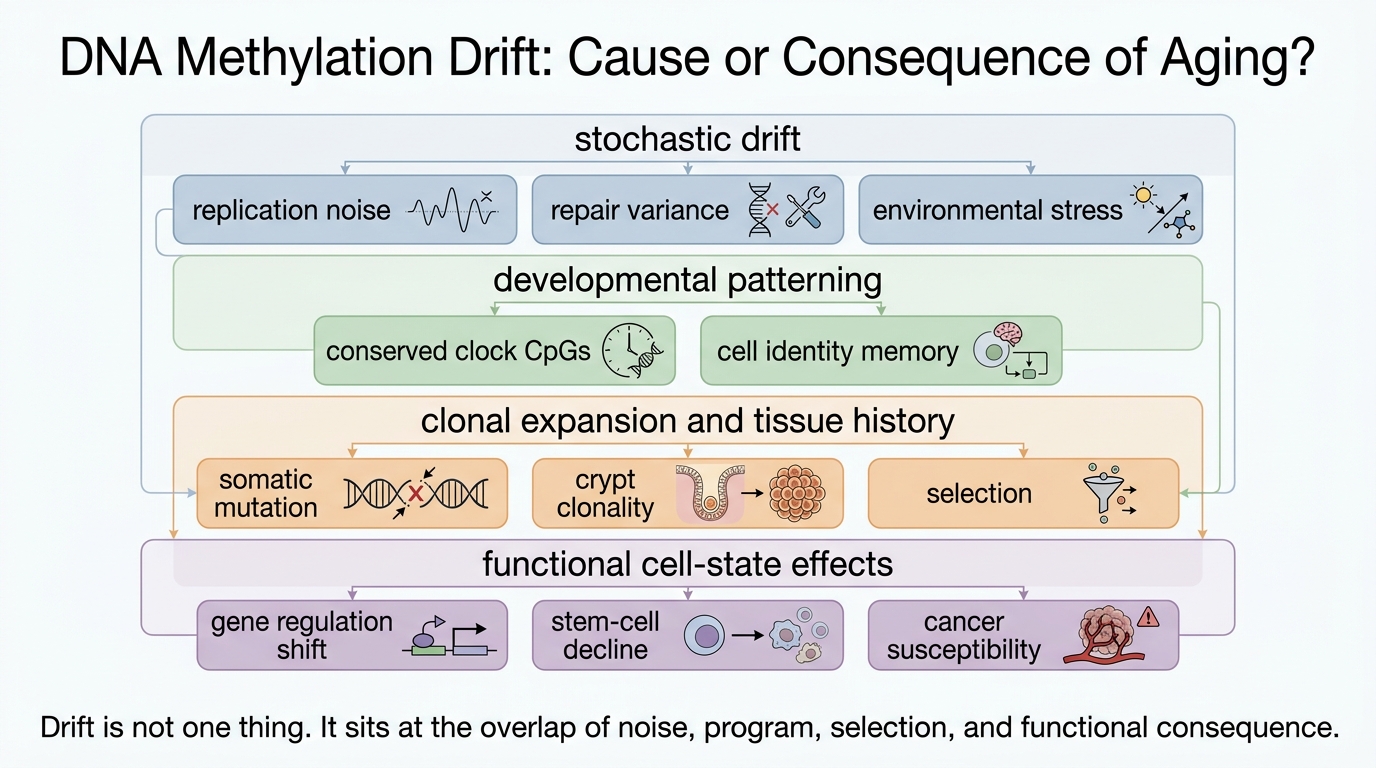
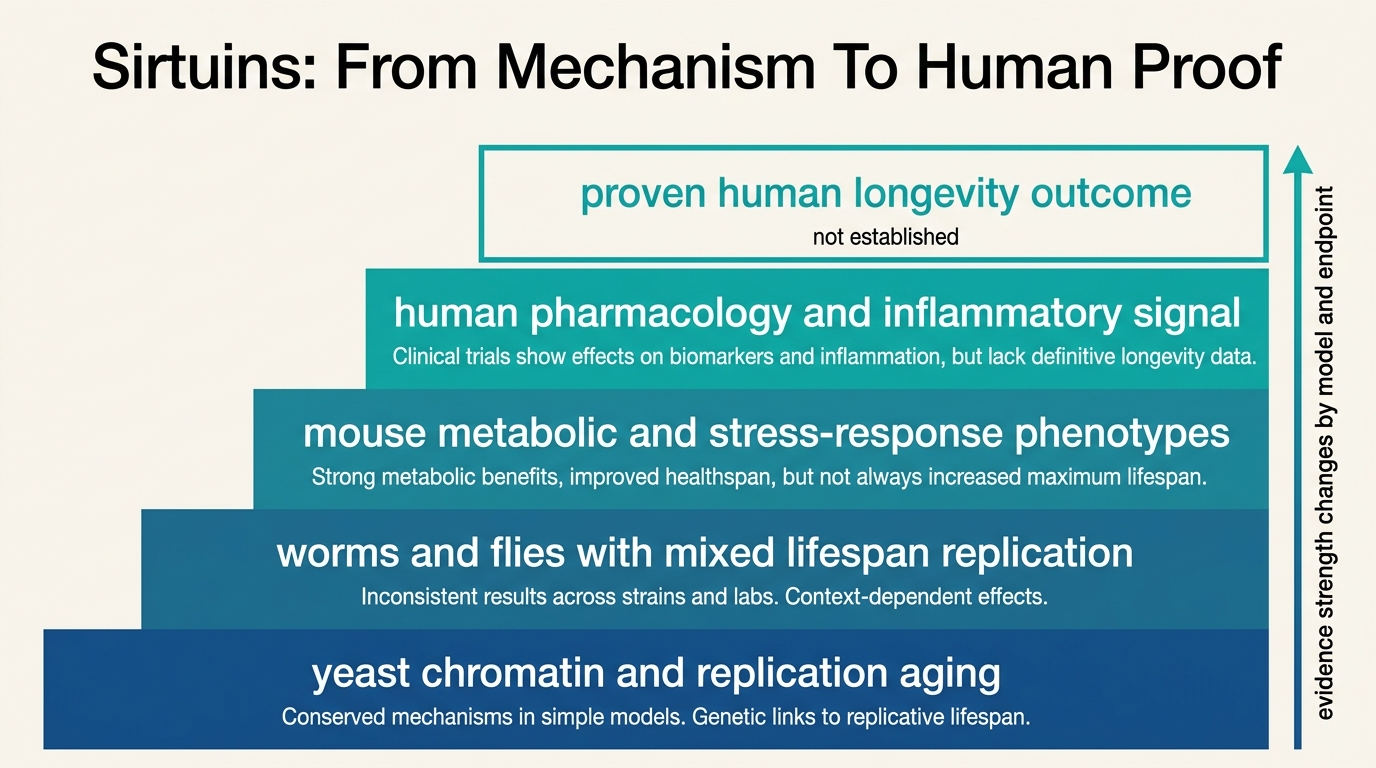
The practical value of the hallmarks model is not that it resolves every causal debate. It gives readers a usable map for deciding whether a claimed intervention addresses upstream damage, a downstream symptom, or a narrow measurement artifact.
The articles collected here focus on system-level interpretation. They separate stable biological structure from narrative compression, especially in areas where one mechanism is marketed as a master key for all of aging.
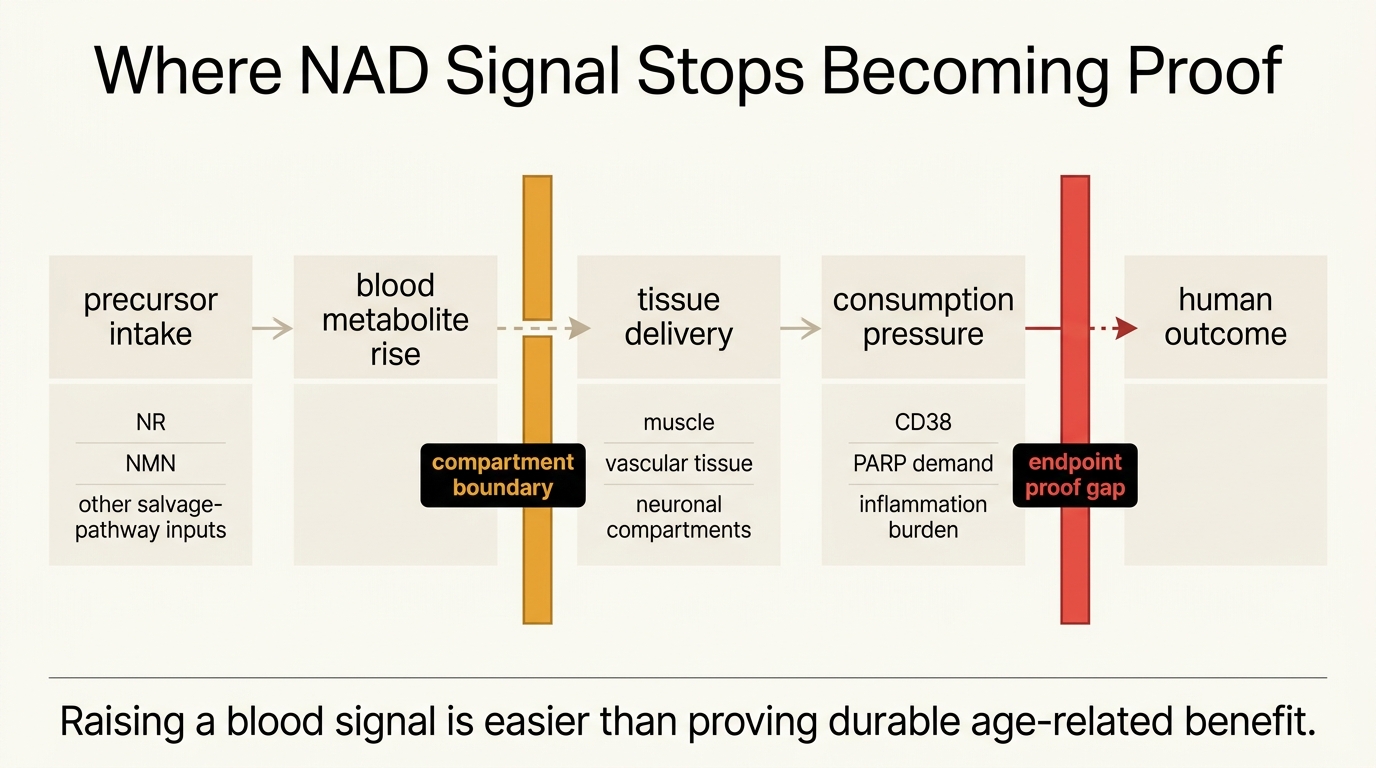
That distinction matters because intervention quality depends on where leverage actually sits. A credible longevity strategy must ask which layer is causal enough to matter, which signals are only correlates, and which tissue constraints remain unaddressed even when one biomarker improves.