Article
GLP-1 Drugs as Potential Longevity Agents
GLP-1 therapies are emerging as a near-term longevity bridge. This review focuses on benefit-risk balance and the functional safeguards that determine outcomes.
GLP-1 medicine became a longevity topic because it changed obesity care, cardiometabolic risk, and adherence patterns at population scale.
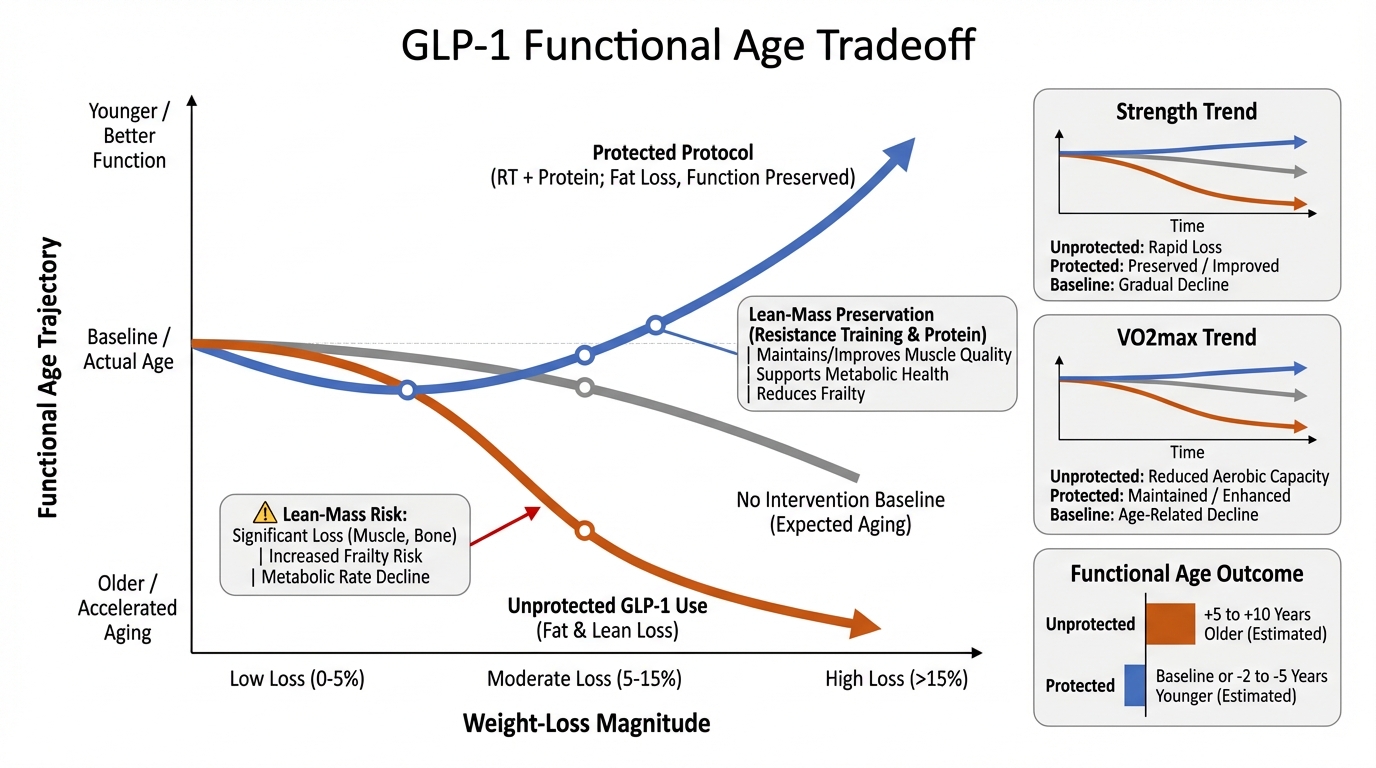
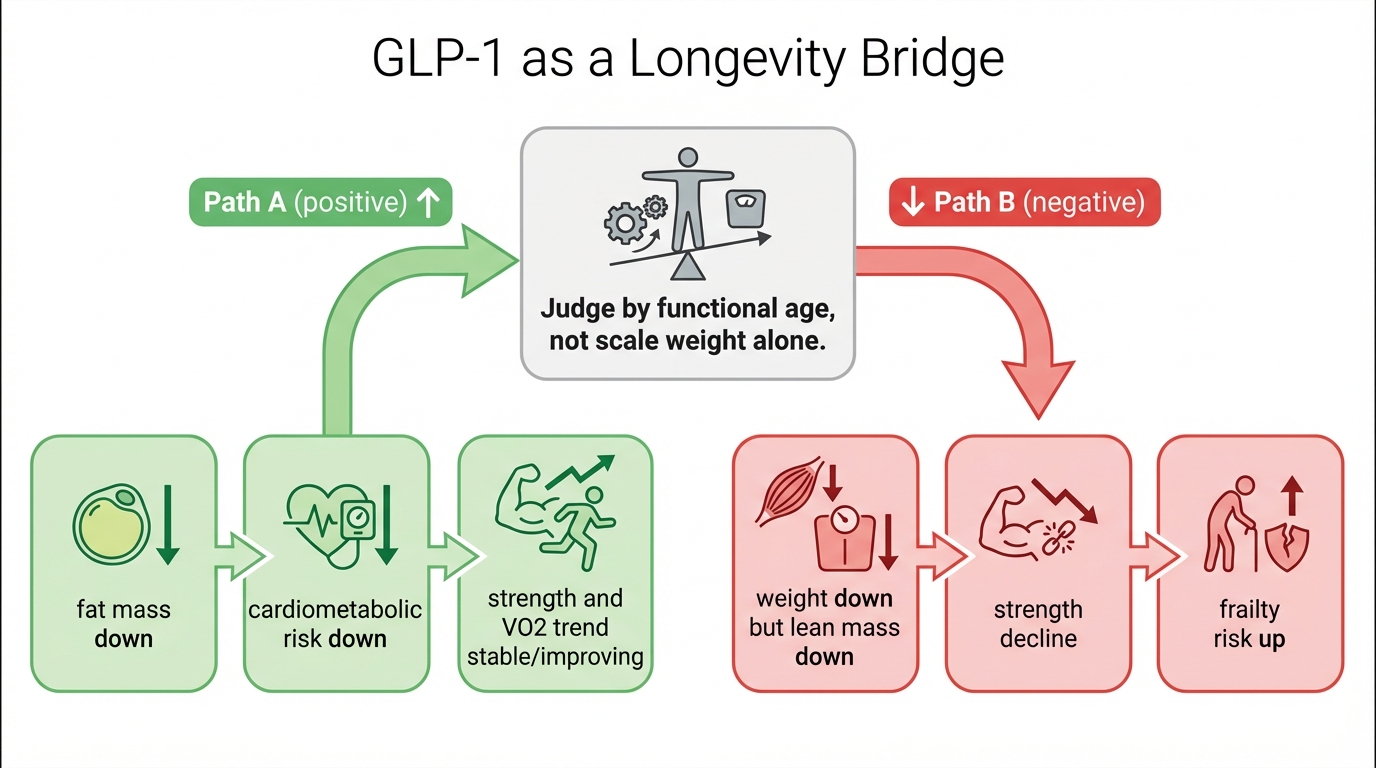
That does not mean every GLP-1 narrative deserves the stronger anti-aging label. The serious evaluation has to separate disease modification, prevention leverage, body-composition tradeoffs, and the broader claim that these drugs improve long-term human aging trajectories.
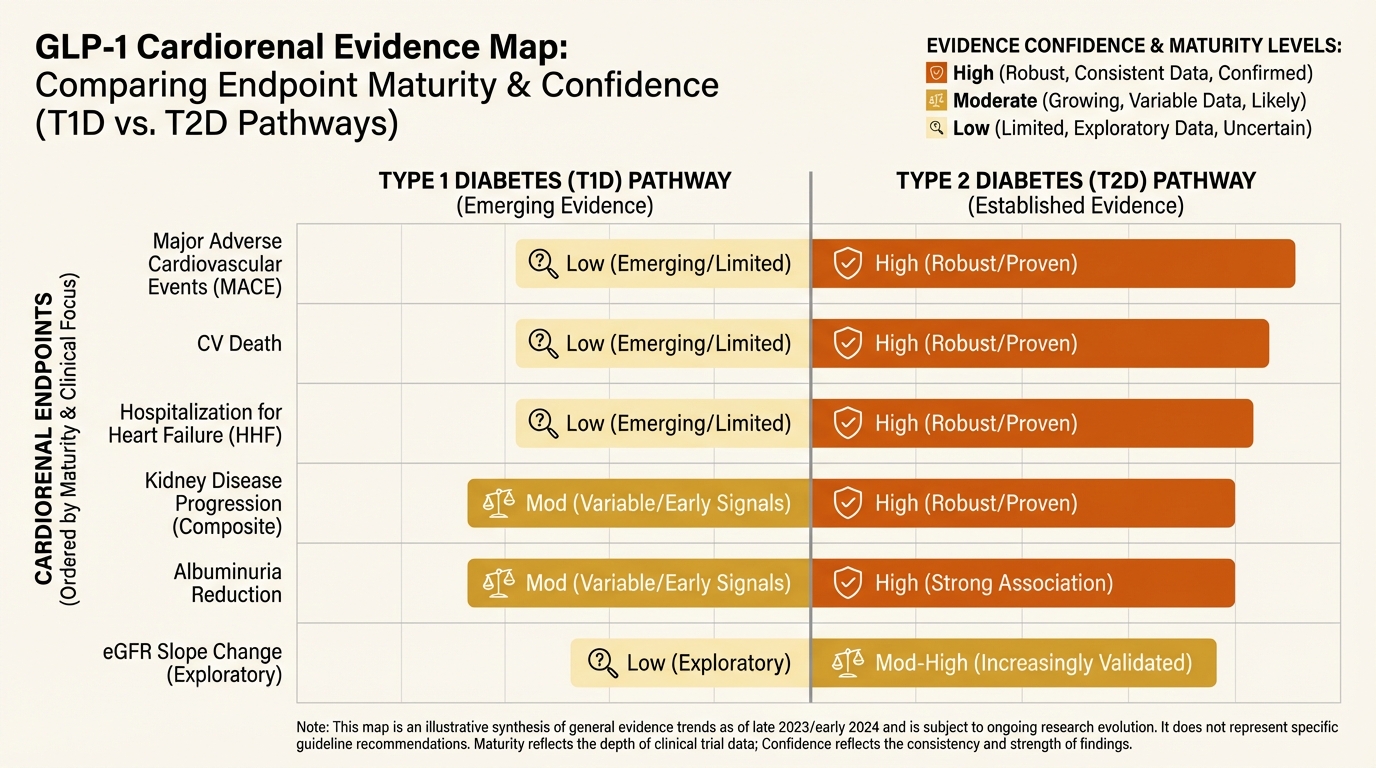
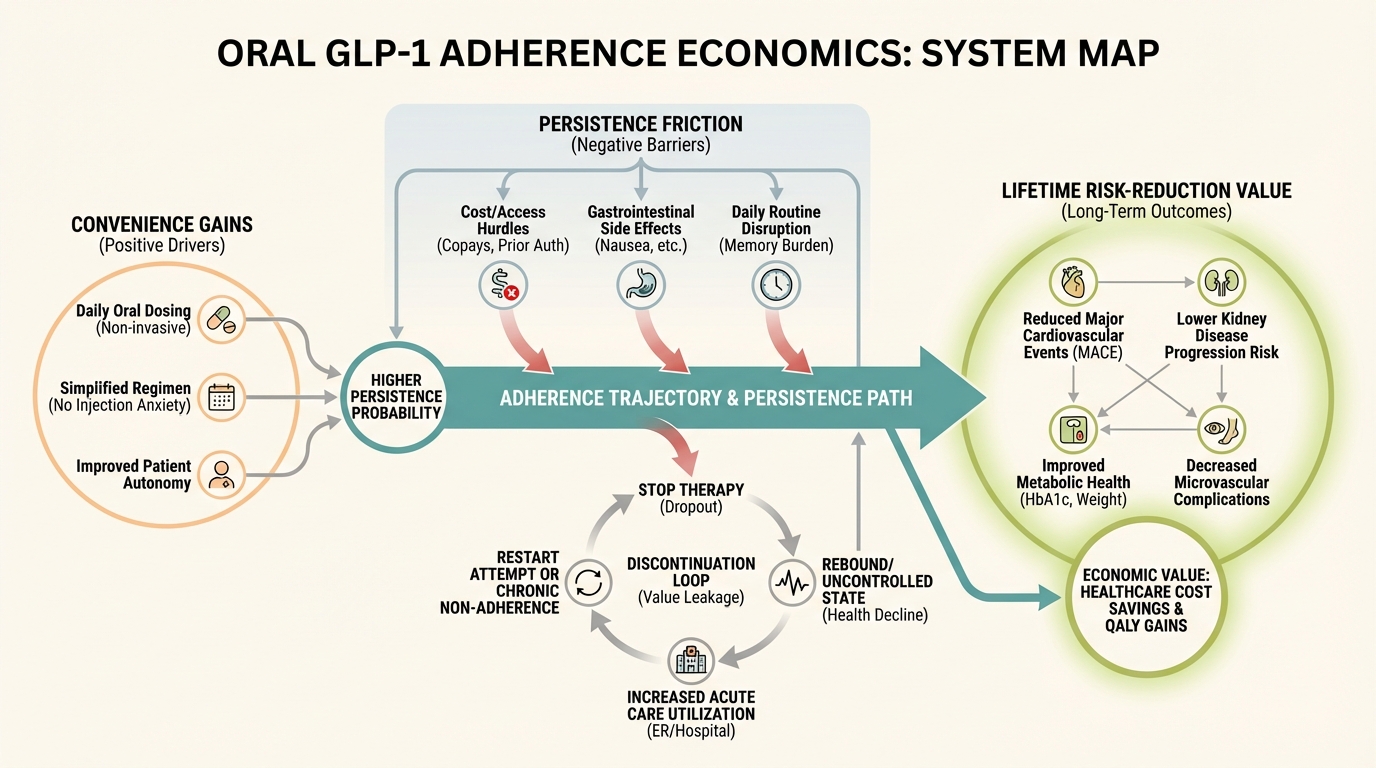
This cluster collects the bounded case. It asks where outcome data are already strong, where off-label drift outruns safety discipline, and how convenience, persistence, muscle preservation, and organ-specific benefit change the real planning value of the drug class.
Readers interested in longevity should think of GLP-1s as a bridge question rather than a solved doctrine. The advantage is practical reach. The constraint is that practical reach does not erase the need for functional outcomes and long-horizon evidence.