Article
The Alzheimer’s Blood Test Era Has Started: What Changes for Patients and Primary Care?
What the first FDA-cleared Alzheimer’s blood test changes in real-world primary care, and what still requires clinical context, staging, and follow-up.
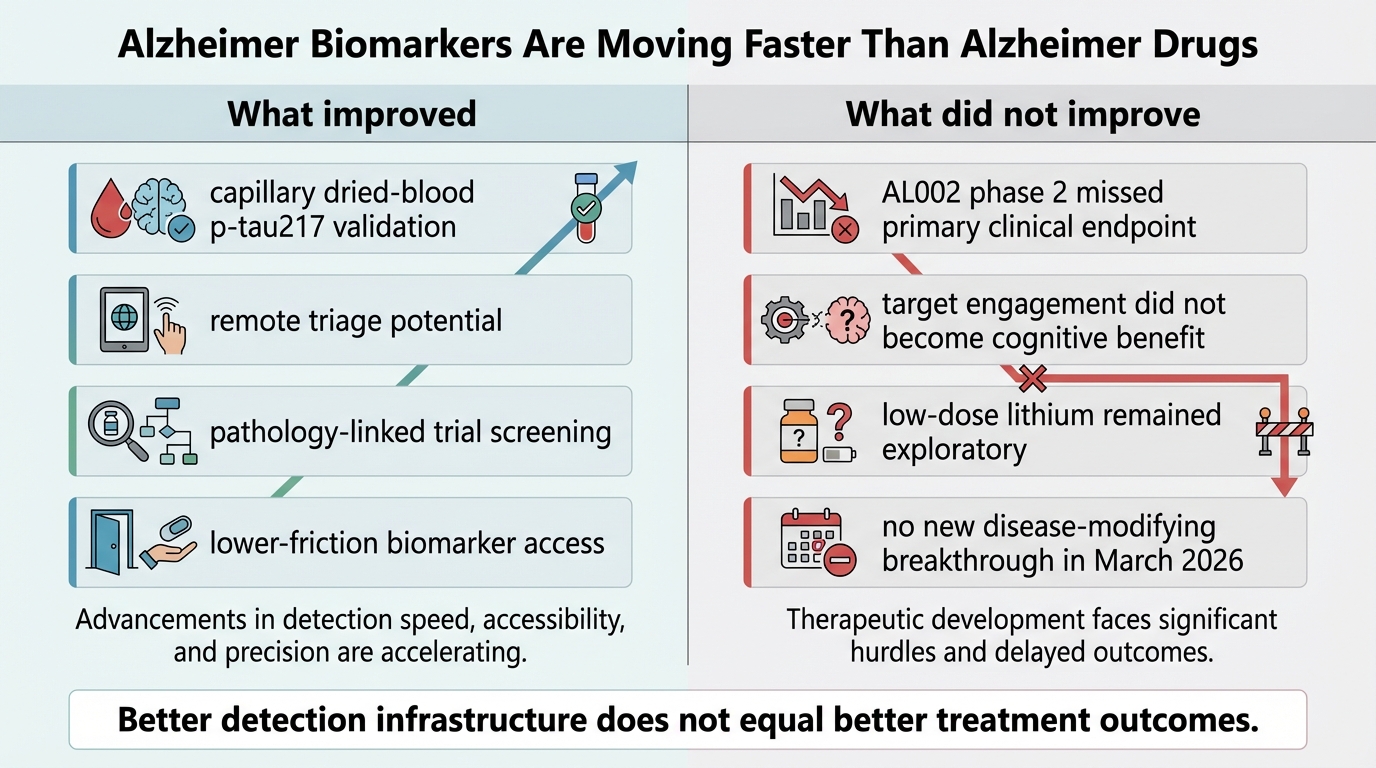
Alzheimer's diagnostics are moving faster than Alzheimer's therapeutics, which changes how clinicians and patients must interpret new testing tools.
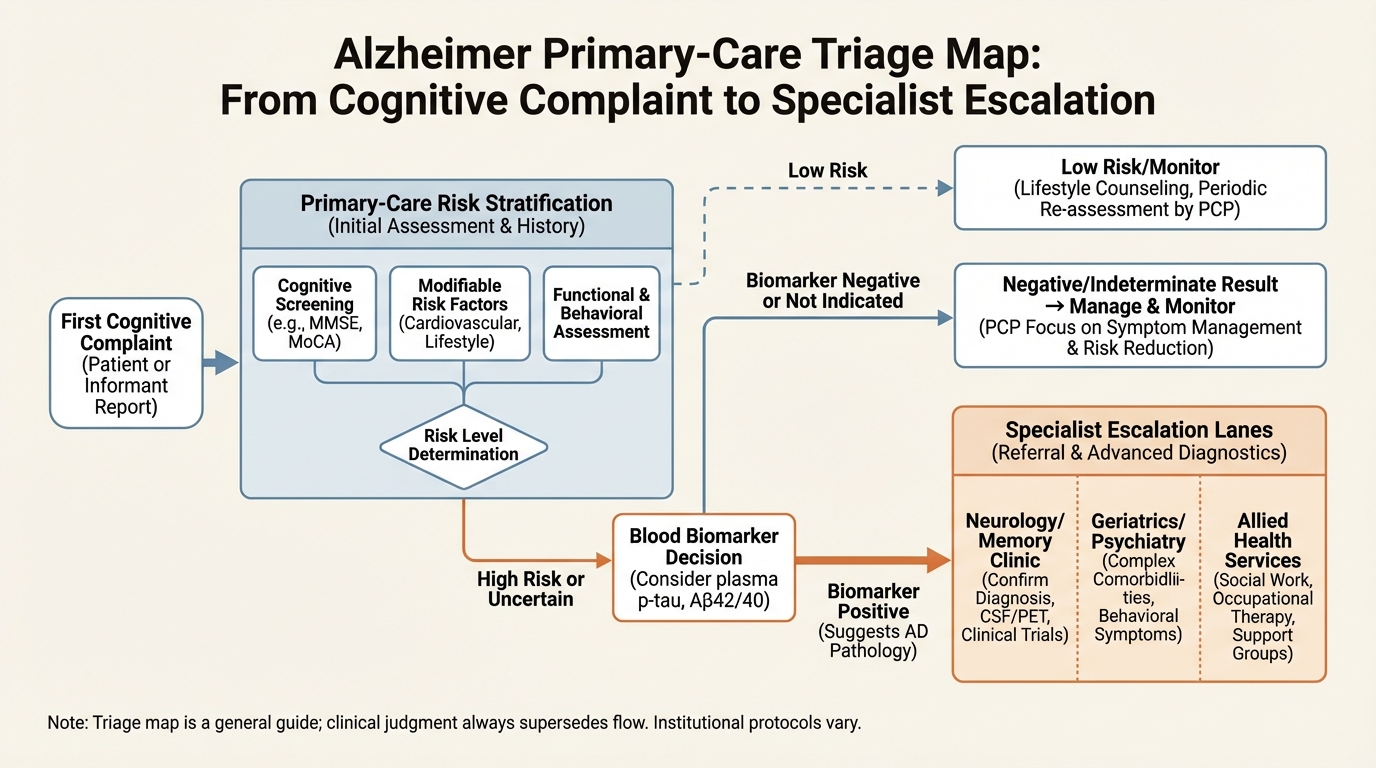
Blood biomarkers matter because they can compress triage time, widen access, and push cognitive-risk assessment closer to primary care. They do not eliminate the need for staging logic, confirmatory context, or caution around what an abnormal result actually predicts.
The articles in this cluster focus on that operational distinction. They read the blood-test era as a change in workflow and evidence handling, not as a declaration that neurodegenerative uncertainty has been solved.
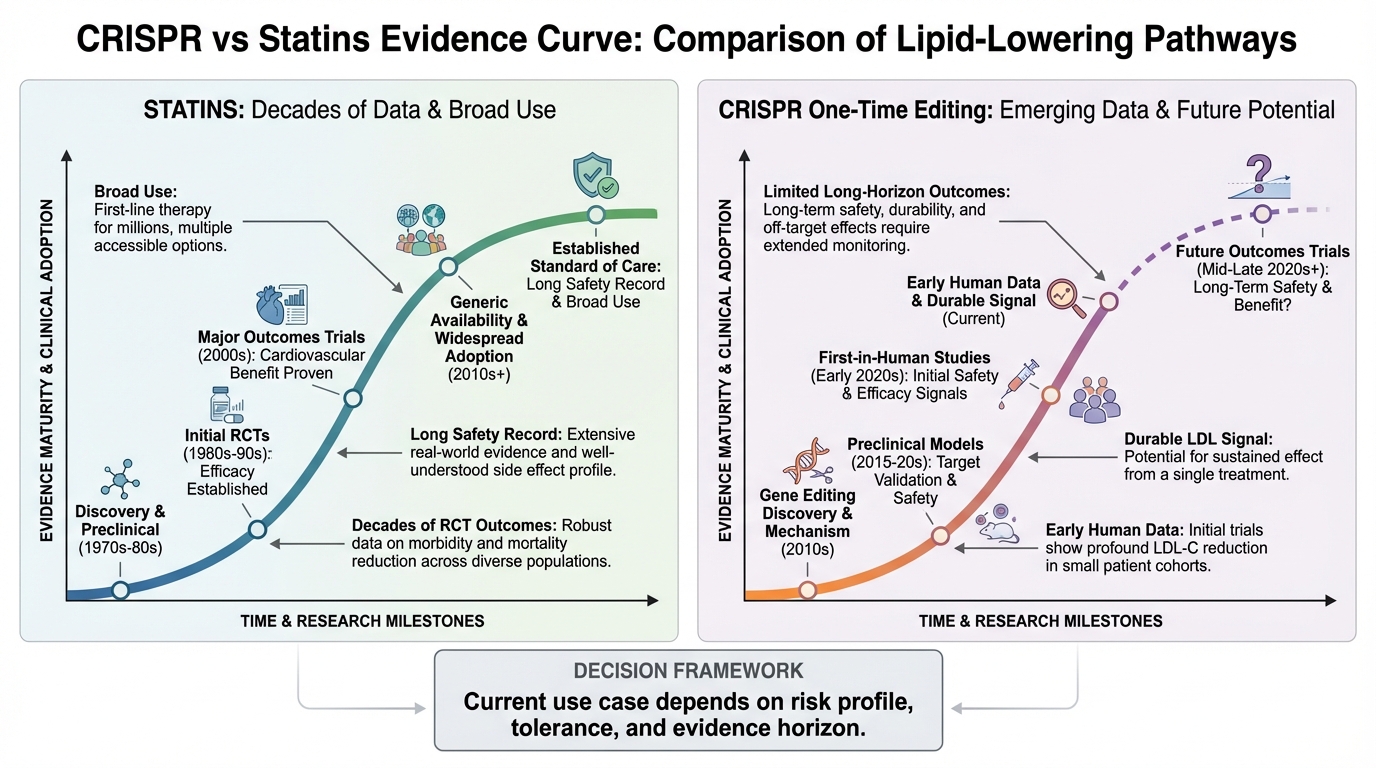
For longevity planning, the implication is large. Cognitive decline is one of the major long-horizon risks that can break otherwise plausible lifespan-extension narratives. Better diagnostics help, but only if readers keep track of what is screening, what is diagnosis, and what is treatment-relevant.