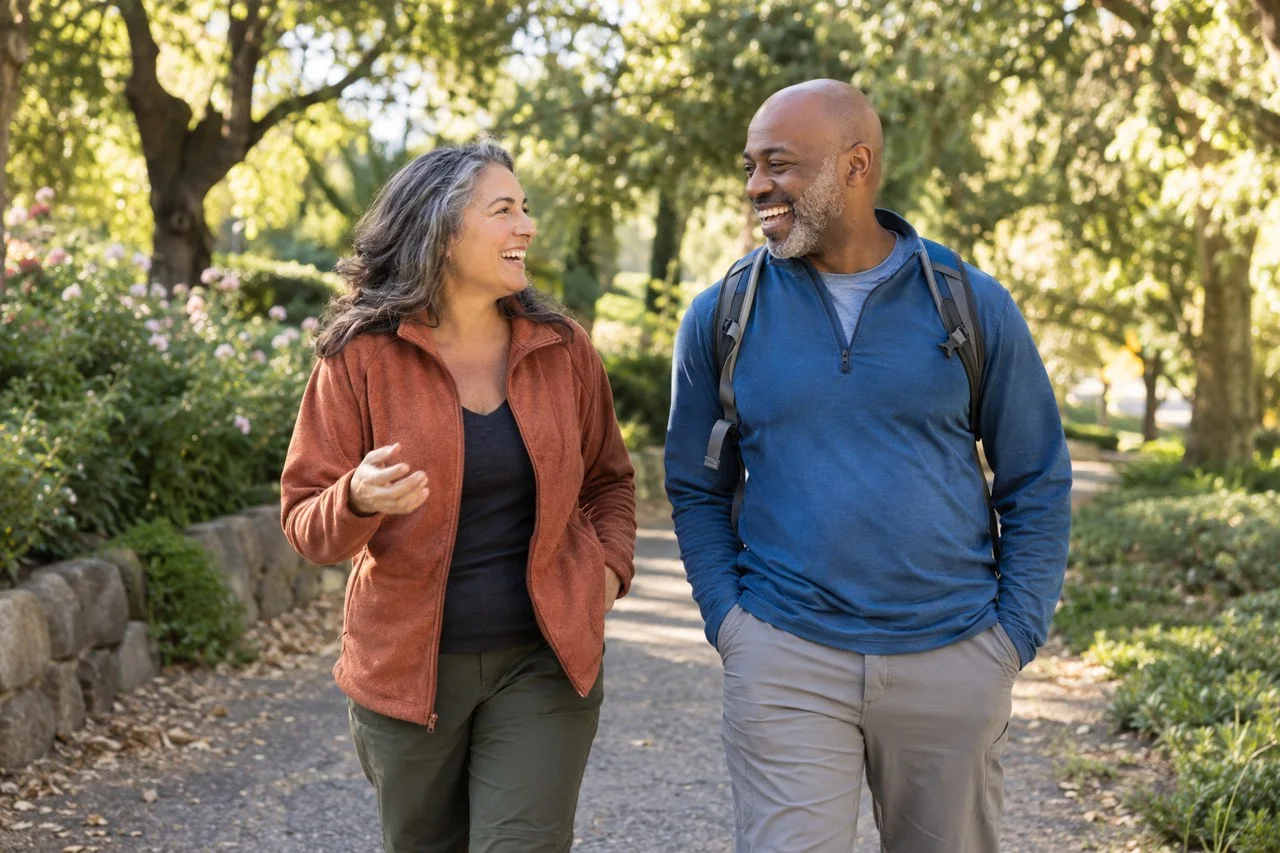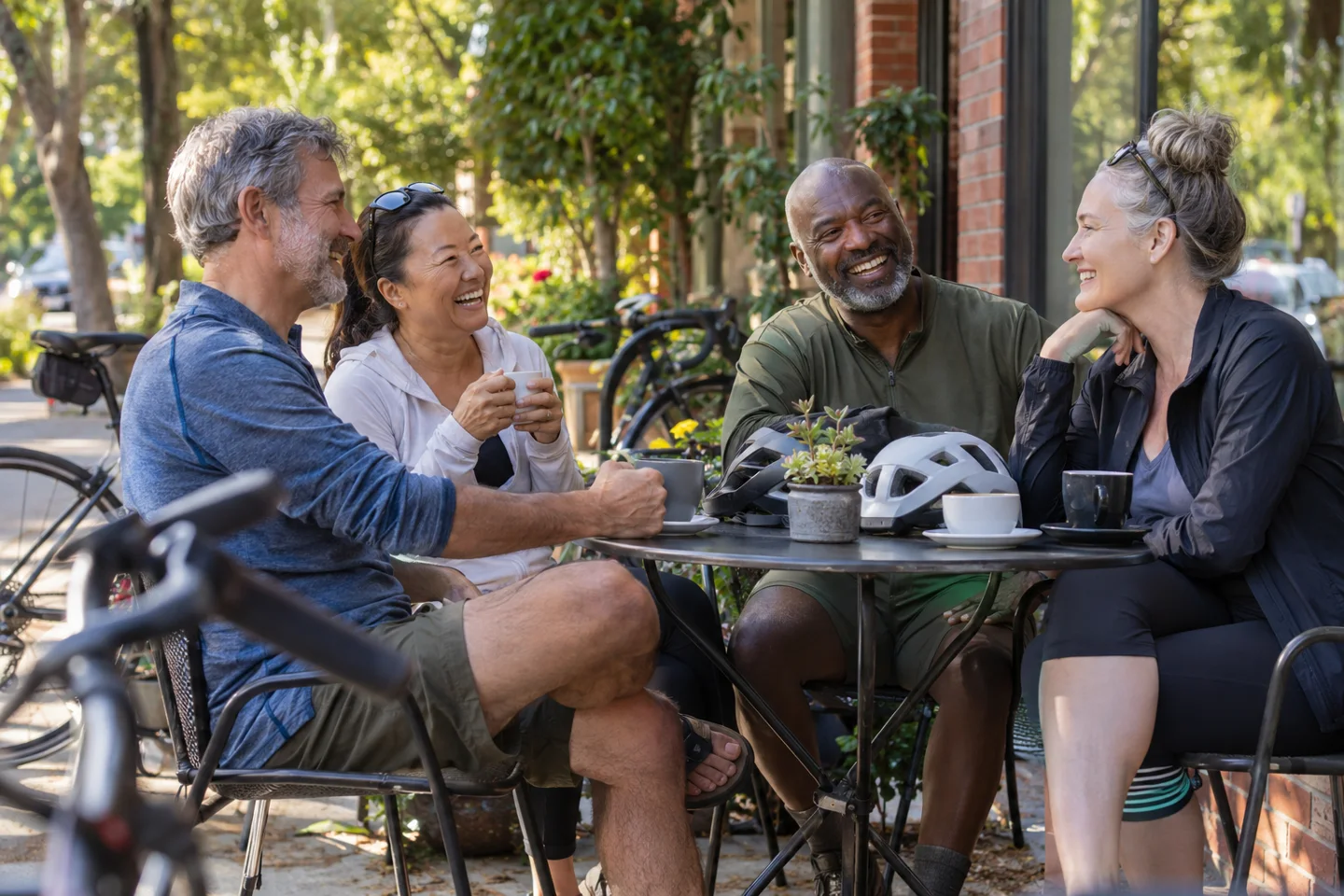
Paul, 58, used to see colleagues every day. After a back injury forced him out of his logistics job, his week became quieter. Friends still cared about him, but casual conversations and regular invitations no longer happened automatically. Paul is a hypothetical example.
His situation is recognizable in the University of Michigan's National Poll on Healthy Aging. In 2024, 33 percent of adults aged 50 to 80 reported loneliness. That was close to the 34 percent recorded in 2018 and below the pandemic peak of 42 percent.
An overall improvement can therefore coexist with a large number of people feeling lonely. The poll also reported higher loneliness among people with poorer health and those not working or on disability.
Those comparisons do not establish a single cause. Pain can make it harder to leave home, losing a job can remove everyday contact, and loneliness and poor health can influence one another. A poll cannot separate all those possibilities or tell Paul which change will help most.
For him, the first practical question is which part of his old routine he misses: friendship, a reason to leave the house, or being expected somewhere. Different answers suggest different conversations with friends, community groups or a health professional.
The figures do not make loneliness inevitable in midlife. They show that it is common enough to discuss directly, including when someone appears to have family and friends around them.